Key Points
- Far-right activists have exacerbated antigovernment unrest in at least 10 French towns and cities, clashing with left-wing demonstrators while claiming to repel looters.
- Authorities have arrested far-right activists in at least three cities, resulting in trials for at least 10 individuals accused of conspiring to commit violence.
- While centrist and conservative leaders initially attributed the widespread autumn violence primarily to far-left groups, prosecutors and officials now acknowledge a dual threat.
- In Rouen, western France, violent street clashes occurred on October 17 between men chanting far-right slogans and masked left-wing protesters, coinciding with broader national arson and looting.
- Witnesses and left-wing politicians in two cities have accused law enforcement of collaborating with far-right groups, supported by verified video footage showing officers appearing to shield masked civilians.
- French President Emmanuel Macron and Interior Minister Laurent Nuñez have publicly denied allegations of police collusion with far-right militants, though Macron stated that full light must be shed on the events.
PARIS (France News7) November 28, 2026 – French national and regional officials have confirmed that far-right vigilantes have actively inflamed weeks of antigovernment unrest across at least 10 towns and cities in France. Originally blamed predominantly on far-left agitators by centrist and conservative politicians, the escalating violence involves hard-right groups engaging in street brawls with left-wing counterparts under the pretext of stopping looters. Law enforcement has arrested extreme-right suspects in at least three municipalities, leading to the prosecution of at least 10 individuals for conspiracy to commit violence, even as authorities face serious allegations of police collusion.
- Key Points
- How Have Far-Right Groups Contributed to the Unrest in France?
- What Happened During the Violent Clashes in Rouen?
- Are French Police Collaborating with Far-Right Vigilantes?
- Background of the Autumn Unrest in France
- Predictions on How This Development Will Affect French Citizens and Security Forces
How Have Far-Right Groups Contributed to the Unrest in France?
According to reporting by Ségolène Le Stradic of The New York Times, national government representatives and local municipal officials have established that extreme-right activists aggravated civil disorder across at least 10 French cities during the autumn demonstrations. Rather than remaining passive observers, these hard-right factions mobilized in urban centres and engaged in direct physical confrontations with left-wing protesters. Officials noted that these activists frequently operated under the guise of acting as vigilantes to repel looters, a justification that nevertheless resulted in heightened street violence and public disorder.
As a direct consequence of these actions, French police conducted arrests of far-right militants in at least three separate cities. These law enforcement operations have subsequently led to legal proceedings, with at least 10 individuals currently facing trial on charges of conspiring to commit violence. The shift in official assessments marks a notable departure from the early stages of the crisis, during which France’s centrist government and conservative leaders largely attributed the national wave of unrest to far-left extremists. Prosecutors and state officials are now pointing to a more complex security environment involving extremist elements from both ends of the political spectrum.
What Happened During the Violent Clashes in Rouen?
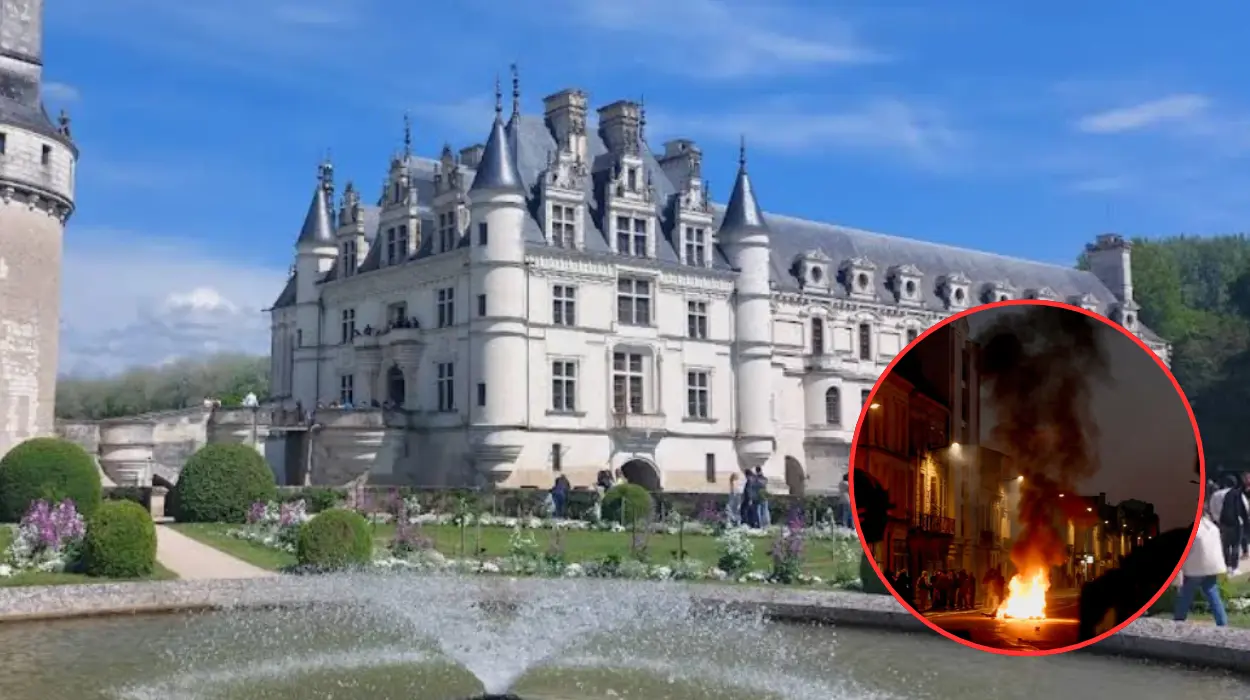
The involvement of extreme-right groups was starkly illustrated during an incident in the western French city of Rouen on October 17. As reported by Ségolène Le Stradic of The New York Times, two opposing factions confronted one another on a city street during the afternoon. On one side, a group of men shouted far-right chants while displaying flags appropriated by right-wing extremists. On the opposite side, masked demonstrators gathered behind a banner bearing a left-wing slogan.
The confrontation was documented on video by Ulysse Thevenon, a French freelance journalist present at the scene. Describing the tense atmosphere as he filmed the standoff, Ulysse Thevenon stated, “I feel like a war is about to break out right in front of me.” The recorded footage captured the two factions eventually colliding, exchanging punches and hurling projectiles at one another, though the video did not show which group initiated the physical altercation. At the time, the violent clash in Rouen went largely unnoticed by the broader public, as it coincided with a major turning point in France’s autumn of discontent, when mass demonstrations across the nation descended into widespread arson and looting in Paris and other major urban centres. Further antigovernment protests were scheduled to continue across the country on Saturday.
Are French Police Collaborating with Far-Right Vigilantes?
Alongside the street violence, serious allegations have emerged regarding the conduct of French law enforcement during the demonstrations. In two cities, eyewitnesses and left-wing politicians have accused police officers of actively collaborating with far-right activists. Video footage from several of the clashes, which was verified by The New York Times, appeared to show police officers shielding masked civilians who were actively fighting with antigovernment demonstrators.
Responding to the growing scrutiny over law enforcement impartiality, Interior Minister Laurent Nuñez publicly denied any collaboration between police officers and far-right activists. The police force and the Interior Ministry did not respond to formal requests for comment regarding the verified footage. French President Emmanuel Macron also addressed the dual nature of the violence and the allegations against security forces during a broadcast interview last month. As reported by Ségolène Le Stradic of The New York Times, President Emmanuel Macron stated, “Whether it comes from the ultraleft or the ultraright, those who commit acts of violence against property or people must be arrested, because public order must prevail.” While President Emmanuel Macron rejected the accusations of police collaboration, he added that “full light must be shed on these events.”
Background of the Autumn Unrest in France
The street clashes involving far-right vigilantes and left-wing demonstrators are embedded within a broader period of civil upheaval described as France’s autumn of discontent. Throughout the autumn of 2026, mass antigovernment demonstrations erupted across the country, frequently escalating into severe property damage, arson, and looting in major metropolitan areas such as Paris as well as regional towns. During the initial phases of the unrest, public discourse and political commentary from the centrist administration and conservative figures focused almost exclusively on the destructive actions of far-left militants. However, as investigations progressed and video evidence surfaced from cities like Rouen, judicial authorities and regional officials began documenting the organized presence of hard-right groups intervening in the protests.
Predictions on How This Development Will Affect French Citizens and Security Forces
Based on the verified developments and ongoing judicial proceedings, the dual involvement of extreme-right and extreme-left factions is poised to complicate security operations and political stability in France. For ordinary French citizens and urban business owners, the emergence of self-appointed vigilante groups operating alongside antigovernment demonstrators increases the risk of localized street brawls, property damage, and public safety hazards during scheduled weekend protests. For French law enforcement and the Interior Ministry, the circulation of video footage appearing to show officers shielding masked civilians will likely intensify public scrutiny and political pressure from opposition lawmakers. Consequently, police leadership and judicial authorities face heightened demands for transparency and accountability as trials proceed against the accused conspirators and investigations continue into the conduct of security personnel on the ground.