Key Points
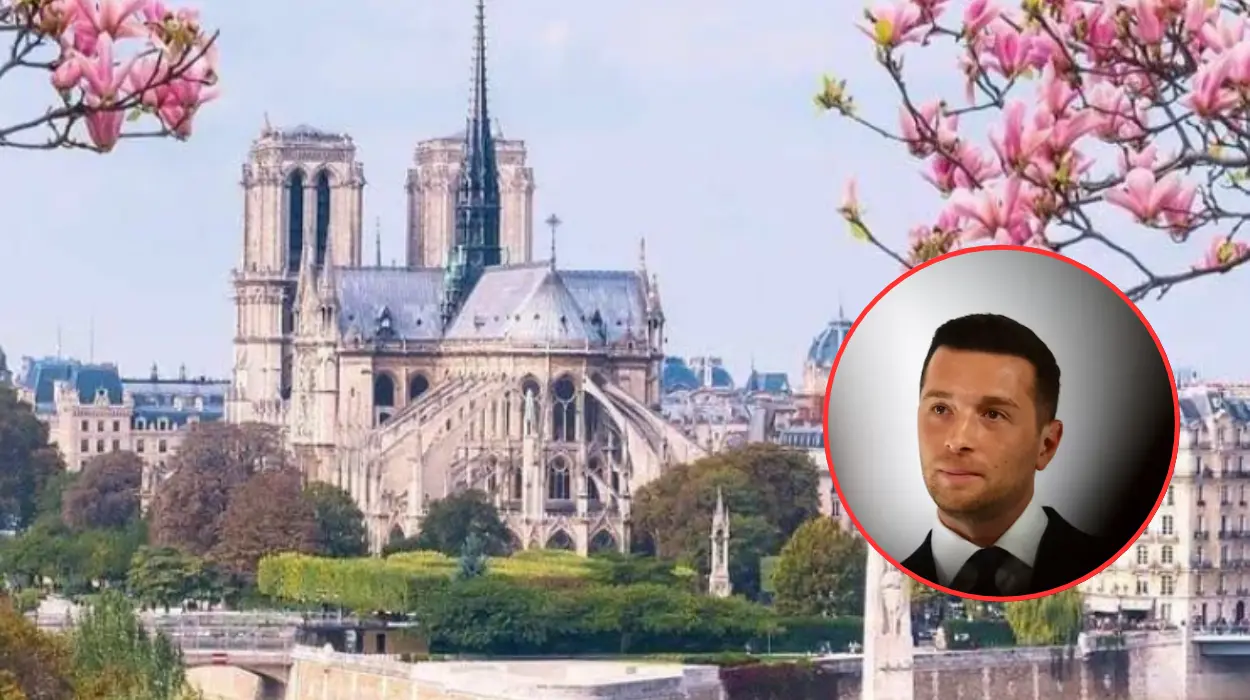
- French far-right National Rally (RN) party president Jordan Bardella, 31, faced renewed accusations of past antisemitism on Thursday, 26 November 2026, after investigative outlet Mediapart and daily newspaper Le Monde published additional excerpts from private 2013 Facebook Messenger conversations.
- The newly published messages, dated to the year Bardella turned 18 and was an activist for the National Front (now renamed National Rally), were provided by the original source—a high school acquaintance whom Bardella sought to recruit into his far-right political movement.
- Le Monde stated that it authenticated the chats with Facebook parent company Meta and confirmed the identity of the source, while Public Sénat reported that the two outlets published 19 pieces of verification indicating Bardella authored the messages.
- Among the newly disclosed remarks attributed to Bardella are statements alleging that “It is Zionists who head banks” and seek a “new world order with Jerusalem as a capital”.
- Bardella issued a categorical denial of the remarks attributed to him by Mediapart and Le Monde, criticising the outlets for reporting on a period when he was a minor and denouncing what he described as a “persecution campaign”.
- National Rally spokesman Laurent Jacobelli declined to comment directly to Reuters, referring instead to his remarks on right-wing news channel CNews in which he stated that Bardella “did not make antisemitic remarks”.
- The disclosures emerge ahead of France’s April–May 2027 presidential election, in which RN leader Marine Le Pen currently leads opinion polls and Bardella is expected to serve as prime minister if she wins.
Paris (France News7) November 26, 2026 – French far-right National Rally party president Jordan Bardella faced fresh accusations of past antisemitism on Thursday after investigative news website Mediapart and daily newspaper Le Monde published a new batch of private 2013 Facebook Messenger conversations purportedly written when he was a teenager. The outlets reported that the original source, a high school acquaintance, supplied a full transcript of the exchanges after Bardella denied initial allegations published in September, and Le Monde stated it had authenticated the records with Facebook owner Meta. Bardella categorically denied authoring the remarks and criticised the publications for scrutinising messages from when he was a minor, while party spokesman Laurent Jacobelli maintained on CNews that the 31-year-old leader had not made antisemitic statements ahead of next spring’s presidential election.
- Key Points
- What New Evidence Did Mediapart and Le Monde Publish Against Jordan Bardella?
- How Did Jordan Bardella and the National Rally Respond to the Fresh Allegations?
- Why Are These Allegations Significant Ahead of France’s 2027 Presidential Election?
- Background: How Did the Investigation and Legal Dispute Over the 2013 Chats Begin?
- Prediction: How Could the New Disclosures Affect French Voters, Political Opponents, and the 2027 Election Campaign?
What New Evidence Did Mediapart and Le Monde Publish Against Jordan Bardella?
As reported by Gabriel Stargardter and Elizabeth Pineau of Reuters, French far-right leader Jordan Bardella faced renewed allegations of past antisemitic remarks on Thursday, 26 November 2026, following the simultaneous publication by investigative outlet Mediapart and daily newspaper Le Monde of an additional trove of comments purportedly written in private online chats in 2013.
According to Reuters, Mediapart and Le Monde reported that they had returned to the original source of the conversations, who provided a complete transcript in which a young Bardella—now aged 31—attempted to persuade the acquaintance to join his far-right political movement. As reported by Arab News, the source was a high school acquaintance with whom Bardella corresponded on Facebook in the year he turned 18 while serving as an activist for the National Front, the party subsequently renamed the National Rally (RN).
Mediapart stated that it had previously seen these additional messages when it first broke the story in September 2026, but had withheld further excerpts at the time to protect the anonymity of its source. Both Mediapart and Le Monde reported that the acquaintance agreed to release the previously unpublished remarks to demonstrate that Bardella was not telling the truth after he publicly rejected the initial September accusations.
As reported by The Times of Israel, the newly published excerpts include conspiratorial and antisemitic statements attributed to Bardella, including the quoted claims: “It is Zionists who head banks” and seek a “new world order with Jerusalem as a capital”. Reuters noted that it had not been able to independently verify the purported chats, whereas Le Monde reported that it had authenticated the records with Facebook owner Meta and verified the identity of the source. Additionally, Public Sénat reported that Le Monde and Mediapart published 19 pieces of technical and contextual verification indicating that the RN president authored the 2013 Facebook Messenger messages.
How Did Jordan Bardella and the National Rally Respond to the Fresh Allegations?
As reported by Gabriel Stargardter and Elizabeth Pineau of Reuters, Jordan Bardella issued a statement on Thursday rejecting the latest disclosures and questioning the journalistic scrutiny of messages dating back to his youth. Specifically, Bardella stated: “I reiterate my categorical denial of the remarks attributed to me by Mediapart (and) Le Monde”.
In the same statement reported by Reuters, Bardella criticised the two French publications for seeking to report on a period when he was a minor, adding: “These remarks reflect neither my ideas, nor my values, nor my convictions, either then or now”. As reported by Arab News, Bardella also rejected having written the comments attributed to him and denounced what he characterised as the media’s “persecution campaign”.
National Rally spokesman Laurent Jacobelli declined to provide a direct comment to Reuters on Thursday. Instead, Jacobelli directed Reuters to remarks he had made on the right-wing French television news channel CNews, in which he stated that Bardella “did not make antisemitic remarks”.
Why Are These Allegations Significant Ahead of France’s 2027 Presidential Election?
As reported by Reuters, the renewed controversy complicates the National Rally’s broader political strategy as it seeks to expand its electoral coalition ahead of France’s presidential election scheduled for April and May 2027. Party figurehead Marine Le Pen currently leads opinion polls for the upcoming presidential race, and Bardella is widely expected to be appointed prime minister if she wins the presidency.
For over a decade, Marine Le Pen has pursued a comprehensive rebranding effort—known in French politics as dédiabolisation (de-demonisation)—designed to distance the anti-immigrant National Rally from the legacy of its co-founder and her father, Jean-Marie Le Pen, who received multiple criminal convictions for antisemitic remarks and Holocaust denial. As part of that positioning, Bardella has previously travelled to Israel in an effort to demonstrate that the contemporary party is free from antisemitism.
Background: How Did the Investigation and Legal Dispute Over the 2013 Chats Begin?
The dispute began on 28 September 2026, when Mediapart published its initial investigation containing antisemitic and conspiratorial Facebook messages from the summer of 2013 attributed to Bardella during his time as a teenage activist. As reported by Angelique Chrisafis of The Guardian on 29 September 2026, Bardella immediately denied the initial report, accused Mediapart of attempting “to kill my political career”, and announced legal action for defamation. At the time, Marine Le Pen stood alongside Bardella and stated she had “absolute confidence” in him, while opposition figures, including Green party leader Marine Tondelier, called on Bardella to resign from his political posts.
On 1 October 2026, as reported by Swiss public broadcaster RTS, Mediapart published initial authentication elements involving Facebook and a court bailiff (huissier). Bardella subsequently filed two legal complaints against Mediapart over its September publications, including a complaint filed on 12 November 2026 for “forgery and use of forgery” (faux et usage de faux), as reported by Brut and The Times of Israel. Despite the September disclosures, Reuters noted that the initial allegations did not appear to have damaged the National Rally’s standing in opinion polls.
Prediction: How Could the New Disclosures Affect French Voters, Political Opponents, and the 2027 Election Campaign?
The joint publication by Mediapart and Le Monde—backed by stated authentication from Meta and an expanded transcript—is likely to influence several key audiences in the run-up to the April–May 2027 presidential election:
- Mainstream and Moderate French Voters: While the National Rally’s core electorate remained largely unaffected by the September 2026 reports, the addition of Le Monde’s reporting and technical authentication could test the party’s credibility among undecided centrist and centre-right voters whom Marine Le Pen and Jordan Bardella must win over in a second-round presidential runoff.
- Opposition Parties and Civil Society Groups: Political rivals from both the left-wing bloc and the presidential camp, alongside anti-racism organisations, are likely to cite the newly published 2013 transcripts to challenge the National Rally’s decade-long rebranding campaign and question Bardella’s fitness to serve as France’s prime minister.
- French Courts and Media Outlets: The expanded evidentiary record published by Le Monde and Mediapart will form part of the factual backdrop as French judicial authorities examine Bardella’s pending defamation and forgery complaints against Mediapart over the coming months.