
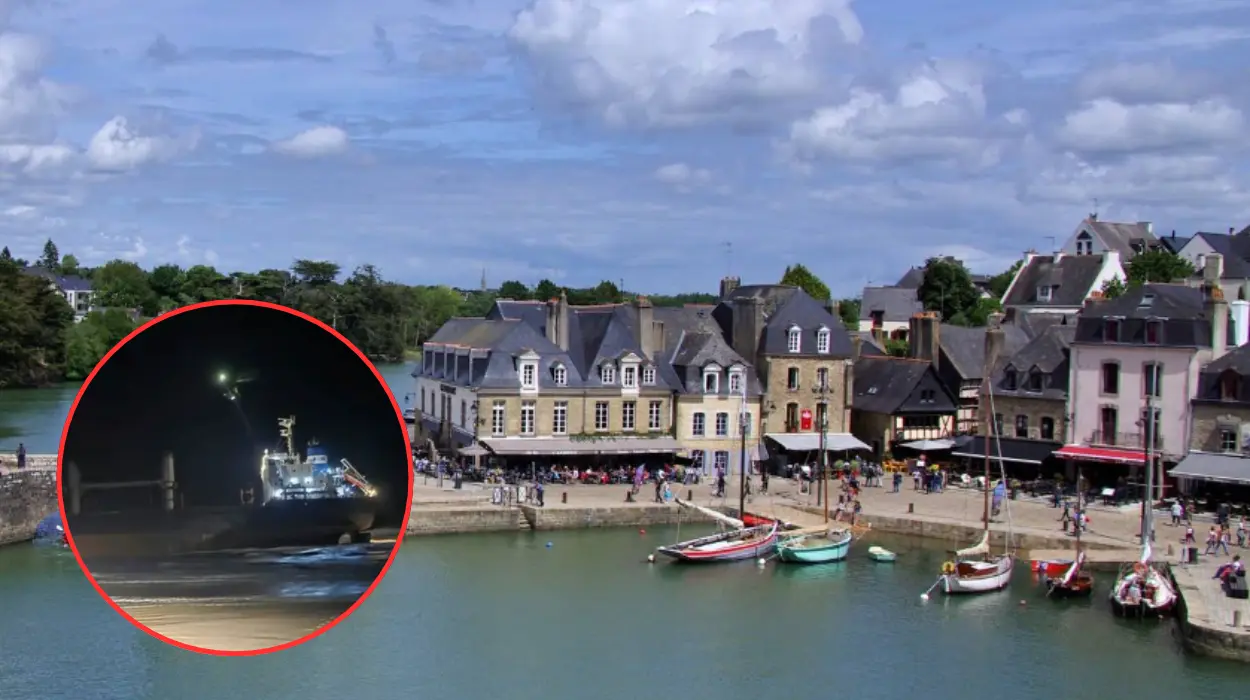
Key Points
- Nineteen crew members were airlifted to safety early on Friday, November 20, 2026, after the Maltese-flagged cargo vessel Miro G ran aground off the coast of Lit-et-Mixe in the Landes region of southwestern France.
- Three crew members—comprising the vessel’s captain and two sailors—remained aboard the Miro G to maintain radio communications, oversee onboard safety, and assist with potential towing operations.
- French authorities issued a formal notice to the shipowner of the Miro G ordering all necessary measures to eliminate immediate and future dangers and minimise environmental impact in the event of pollution.
- Wind gusts reaching 48 knots (approximately 90 kilometres per hour) and heavy seas caused the ship’s emergency anchors to drag after the vessel first reported manoeuvring difficulties late on Thursday, November 19.
- According to LSEG shipping data, the Miro G had been scheduled to load 30,000 metric tons of wheat destined for Libya at the French port of Rouen.
- French maritime authorities activated Level 3 of the maritime ORSEC emergency response plan alongside the Franco-Spanish Biscay Plan, mobilising the Spanish emergency rescue tug Sar Gavia from Bilbao.
Paris (France News7) November 20, 2026 – Nineteen crew members were airlifted by a French military search-and-rescue helicopter after the Maltese-flagged cargo ship Miro G ran aground off the coast of Lit-et-Mixe in southwestern France during gale-force winds early on Friday. Three crew members, including the captain, stayed aboard the vessel to secure the ship and coordinate potential towing efforts. French authorities issued a formal legal notice to the shipowner to prevent environmental damage, while shipping records show the vessel was scheduled to collect 30,000 metric tons of wheat for Libya at the port of Rouen.
- Key Points
- What Happened When the Cargo Ship Miro G Ran Aground Off Southwestern France?
- Why Did Three Crew Members Remain Aboard the Stranded Vessel?
- How Did Weather Conditions Cause the Vessel to Drift Onto the Landes Coast?
- What Cargo Was the Miro G Scheduled to Transport?
- Background of Maritime Safety and Rescue Operations on the French Atlantic Coast
- Predictions: How Could This Incident Affect Maritime Stakeholders, Grain Exporters, and Local Authorities?
What Happened When the Cargo Ship Miro G Ran Aground Off Southwestern France?
As reported by Dominique Vidalon and Gus Trompiz of Reuters, a cargo ship flying the Maltese flag ran aground off the coast of the Landes region in southwestern France amid strong winds early on Friday, leading to the evacuation of 19 crew members by helicopter. Local authorities confirmed that no injuries were recorded among the 22-person crew aboard the Miro G.
According to an official press release issued by the Maritime Prefecture of the Atlantic (Préfecture maritime de l’Atlantique), the vessel grounded at approximately 1:00 a.m. local time (44° 02′ N 001° 21′ W) along the shoreline of the municipality of Lit-et-Mixe. Following the grounding, the captain of the Miro G contacted the Atlantic Regional Operational Centre for Surveillance and Rescue (CROSS-A) based at Étel in Morbihan to request the evacuation of the crew.
How Were the 19 Crew Members Rescued and Accommodated?
To carry out the airlift, maritime authorities deployed a Raffut search-and-rescue helicopter operated by the French Air and Space Force from the Cazaux air base in the neighbouring Gironde department. The flight crew hoisted 19 mariners from the grounded ship despite rough maritime conditions.
As reported by Agence France-Presse (AFP) and the Landes Prefecture, the 19 airlifted sailors were transported ashore to an emergency reception centre opened in the neighbouring municipality of Saint-Julien-en-Born. Local authorities also issued a municipal decree prohibiting public access to Cap de l’Homy beach in Lit-et-Mixe to secure the perimeter around the intervention zone.
Why Did Three Crew Members Remain Aboard the Stranded Vessel?
While 19 sailors were evacuated to land, three members of the crew—identified by the Maritime Prefecture of the Atlantic as the ship’s captain and two sailors—stayed on the Miro G.
As reported by Dominique Vidalon and Gus Trompiz of Reuters, the Landes Prefecture stated that three crew members remained on board the Miro G to help secure the ship, adding that authorities were considering the possibility of towing the cargo vessel. In a separate statement provided to Agence France-Presse (AFP), the Landes Prefecture specified that the three crew members from the Prelude Marine-operated vessel remained aboard to “ensure radio liaison and the safety aspect, particularly if the cargo ship needs to be towed.”
What Formal Notice Did French Authorities Issue to the Shipowner?
As reported by Dominique Vidalon and Gus Trompiz of Reuters, French authorities issued a formal notice to the shipowner of the Miro G ordering the company to “take all necessary measures to eliminate any immediate and future danger and, in the event of pollution, to minimise the environmental impact.”
According to the morning status update communicated by the Landes Prefecture and reported by Libnanews, maritime authorities were studying towing options and coastal risks on Friday, with no refloating operation completed and no marine pollution confirmed at that stage.
How Did Weather Conditions Cause the Vessel to Drift Onto the Landes Coast?
According to the sequence of events documented by the Maritime Prefecture of the Atlantic and reported by ActuNautique, the Miro G first alerted CROSS Étel late on the afternoon of Thursday, November 19, reporting manoeuvring difficulties off the Landes coastline. Facing heavy swell and strong crosswinds in the Bay of Biscay, the vessel was unable to maintain a course away from the shore.
In response to the imminent risk of grounding, the Maritime Prefect of the Atlantic activated Level 3 of the maritime ORSEC civil security response plan and triggered the Franco-Spanish Biscay Plan—a bilateral maritime rescue cooperation mechanism. Under this framework, authorities mobilised the Spanish high-seas emergency rescue tug Sar Gavia (IMO: 9525742), which departed from the Spanish port of Bilbao at 6:00 p.m. UTC.
Despite the crew executing an emergency anchoring manoeuvre by deploying both of the vessel’s anchors, wind gusts reaching 48 knots—approximately 90 kilometres per hour—caused the anchors to drag overnight. Unable to hold its position against the wind and swell, the Miro G drifted onto the sandy shoreline at Lit-et-Mixe early on Friday morning.
What Cargo Was the Miro G Scheduled to Transport?
As reported by Dominique Vidalon and Gus Trompiz of Reuters, shipping data compiled by LSEG showed that the Miro G had been scheduled to load 30,000 metric tons of wheat destined for Libya at the northern French port of Rouen. At the time of the grounding off southwestern France, the vessel had not yet loaded that wheat shipment.
Background of Maritime Safety and Rescue Operations on the French Atlantic Coast
The Bay of Biscay and the sandy coastline of the Landes department in southwestern France experience severe autumn and winter Atlantic storms, frequently generating high swells and strong westerly crosswinds that push vessels toward the shore. To manage distress incidents along this corridor, French maritime authorities rely on the ORSEC maritime framework coordinated by the Maritime Prefecture of the Atlantic in Brest and regional surveillance centres such as CROSS Étel.
France also maintains the bilateral Biscay Plan with Spain, allowing cross-border deployment of heavy salvage tugs stationed in northern Spanish ports such as Bilbao alongside French Air and Space Force helicopters from Cazaux. Similar high-profile maritime operations have previously occurred in the same sector, including the January 2016 salvage of the listing cargo ship Modern Express, which drifted toward the Landes coastline before international salvage teams connected a Spanish tugboat and towed it away from shore.
Predictions: How Could This Incident Affect Maritime Stakeholders, Grain Exporters, and Local Authorities?
- Grain Exporters and Libyan Importers: Because LSEG data indicates the Miro G was scheduled to load 30,000 metric tons of wheat for Libya at the port of Rouen, agricultural exporters, charterers, and Libyan grain buyers may face logistical delays and require a replacement bulk carrier to fulfil the scheduled shipment.
- Shipowners and Maritime Insurers: Under the formal notice issued by the Landes Prefecture, the shipowner and its protection and indemnity (P&I) insurers face immediate financial and operational obligations to fund salvage assessments, potential refloating or towing operations, and any preventative anti-pollution measures.
- Local Municipalities and Coastal Communities: Residents and municipal authorities in Lit-et-Mixe and neighbouring Saint-Julien-en-Born will remain affected by ongoing beach access restrictions around Cap de l’Homy and continued heavy salvage activity along the shoreline until maritime authorities complete towing or dismantling operations.