Key Points
- Massive Security Deployment: French authorities are deploying approximately 70,000 police officers and gendarmes nationwide, backed by helicopters, armoured vehicles, water cannons, and elite units to counter anticipated violence during planned protests.
- Major Cultural Shutdowns: Renowned Paris landmarks, including the Louvre, the Orsay Museum, the Picasso Museum, and the Grand Palais, have shuttered their doors to guarantee visitor and staff safety and preserve historic artworks.
- Art Event Interrupted: Art Basel Paris, one of the world’s premier contemporary art fairs, was forced to cancel its remaining public schedule after opening for just a single day.
- Broad Coalition of Demonstrators: The planned demonstrations against the high cost of living unite high school and university students, members of the CGT labour union, and activists from the historic “yellow vest” movement.
- Political Flashpoint in Orléans: Between 20,000 and 30,000 demonstrators are set to gather in Orléans to protest against the far right outside the two-day national congress of Marine Le Pen’s National Rally party.
- Government Warning: French Interior Minister Laurent Nuñez warned of an “absolutely uncompromising” stance and a “very firm approach” against rioting, looting, and far-left vandalism.
- Political Pushback: Election front-runner Marine Le Pen accused left-wing parties and union organisers of attempting to disrupt a legitimate democratic political congress.
Paris (France News7) October 26, 2026 – Executive Summary: French authorities have initiated a massive, high-mobility security operation involving 70,000 law enforcement officers nationwide to contain planned cost-of-living protests following a week of severe unrest across major urban centres. In response to social media calls for vandalism and looting, the Culture Ministry ordered the immediate closure of world-famous Paris institutions, including the Louvre and Orsay museums. Meanwhile, international events like Art Basel Paris were forced to halt operations after just one day to prioritize public safety. The security surge coincides with a volatile political confrontation in Orléans, where tens of thousands of anti-far-right demonstrators plan to target a high-profile congress held by presidential front-runner Marine Le Pen.
- Key Points
- How are French Security Forces Preparing to Handle Potential Unrest?
- Why are World-Famous Cultural Institutions Shutting Their Doors?
- What is the Significance of the Political Demonstration Planned in Orléans?
- Background of the particular development
- Prediction: How this development can affect the general public, tourists, and the national economy
As reported by Elitsa Gadeva and Sylvie Corbet of The Associated Press, French authorities have announced that some 70,000 law enforcement officers will be deployed across the country while the Louvre and several other major Paris museums will be closed as officials seek to prevent renewed violence during planned protests. The preventative security footprint comes directly on the heels of demonstrations last week that rapidly devolved into widespread mayhem. During those earlier events, groups of agitators set fires, stormed public facilities, smashed commercial shop windows, looted retail stores, and engaged in fierce street clashes with police, marking some of the most violent domestic unrest observed in France in recent years.
Demonstrators plan to take to the public streets again to denounce the escalating cost of living affecting households across the nation. A broad, multi-faceted coalition of groups has formed to express public frustration; students, trade unionists from the General Confederation of Labour (CGT), and veteran activists from the “yellow vest” (gilets jaunes) movement—whose anti-government demonstrations against social injustice previously shook the nation’s political landscape in 2018 and 2019—are all set to join the rallies.
How are French Security Forces Preparing to Handle Potential Unrest?
To maintain public order, French Interior Minister Laurent Nuñez confirmed at a formal news conference that approximately 70,000 police officers and gendarmes would be mobilised nationwide. This extensive force will be supported by specialized equipment, including tactical helicopters, heavy armoured vehicles, and high-pressure water cannons. In addition, elite police units are slated to help secure high-risk public infrastructure, such as city halls, within what Nuñez described as a “highly mobile” security operation designed to respond swiftly to rapid outbreaks of violence.
As reported by Elitsa Gadeva and Sylvie Corbet of The Associated Press, Interior Minister Laurent Nuñez stated that “there have been numerous calls from radical far-left groups on social media to commit acts of violence and vandalism”. Nuñez further elaborated on the intelligence gathering, adding, “There have also been renewed calls for looting, with those messages clearly being spread by rioters”. Issuing a stern warning to prospective agitators, Nuñez declared, “We will be absolutely uncompromising” with those involved in criminal violence, emphasizing that police forces will adopt a “very firm approach”.
Why are World-Famous Cultural Institutions Shutting Their Doors?
The threat of widespread civil disruption has forced cultural authorities to take unprecedented precautions to safeguard cultural heritage and public safety. In an official statement delivered to The Associated Press, the French Culture Ministry confirmed that several flagship national museums—including the Louvre, the Musée d’Orsay, the Picasso Museum, and the Grand Palais—would remain closed to the public during the demonstrations.
According to the official statement provided by the Culture Ministry to The Associated Press, the ministry explicitly called on all national cultural institutions under its direct authority to adopt any necessary protective measures to guarantee “visitor safety, staff protection and the preservation of artworks”.
The economic and cultural fallout extended to major commercial events as well. Art Basel Paris, widely recognized as one of the world’s most prestigious contemporary art fairs, was forced to shut down after completing only a single day open to the public. Event organisers took the difficult decision to cancel the remainder of the fair’s programming to prioritize the physical safety of international gallerists, artists, visitors, and staff members amidst the surrounding volatility.
What is the Significance of the Political Demonstration Planned in Orléans?
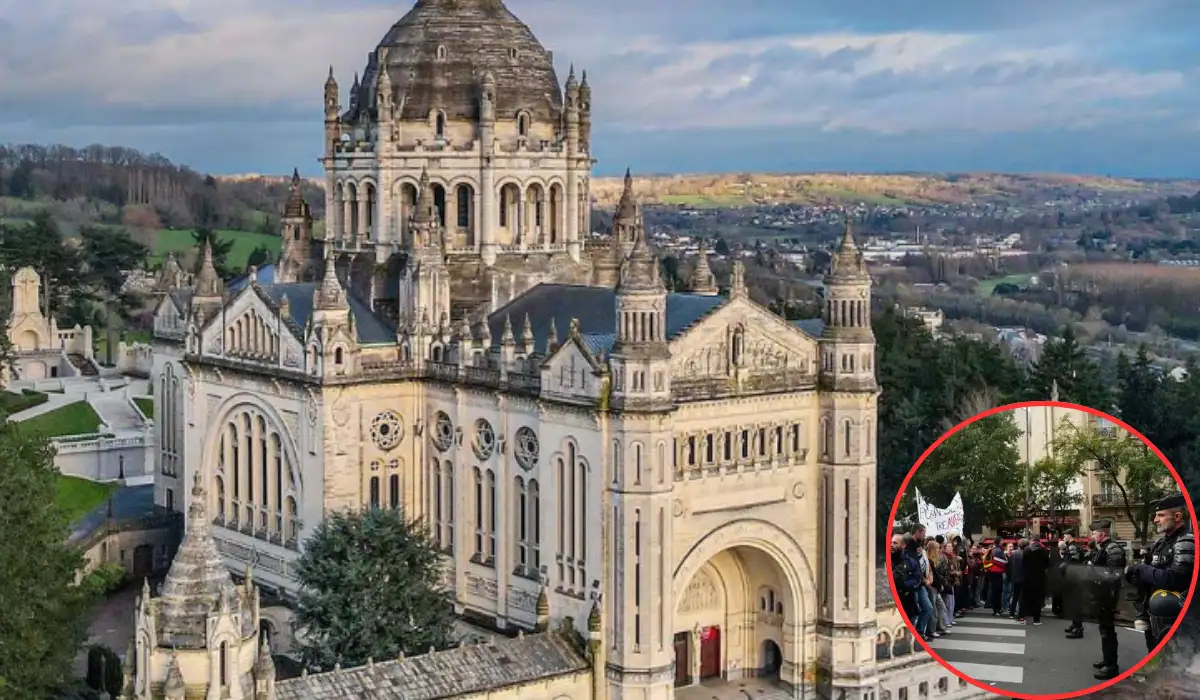
Outside of the capital city, a secondary political flashpoint is developing in Orléans, located approximately 110 kilometres south of Paris. Local and national law enforcement will closely monitor a large-scale demonstration planned to run parallel to political gatherings in the area.
Around 50 independent organisations—comprising prominent labour unions, left-wing political parties, student activist networks, and anti-racism groups—have issued a joint call for mass protests targeting the far right. The mobilization is intentionally timed to coincide on the sidelines of a two-day national congress hosted by Marine Le Pen’s nationalist, anti-immigration party as the country gears up for the upcoming presidential election.
As reported by journalist coverage of regional administrative assessments, Hugues Moutouh, the prefect of the Loiret region, estimated that between 20,000 and 30,000 demonstrators drawn from every corner of the country are expected to converge on Orléans.
The high-profile presence of Marine Le Pen—whom national opinion polls consistently place as the front-runner ahead of next spring’s presidential election—has heightened the political stakes surrounding the security operation.
As reported by reporters for Franceinfo, Marine Le Pen accused left-wing organisations and political parties of attempting to “disrupt a political party’s democratic congress” during an interview on the news broadcaster. Despite the anticipated surrounding demonstrations, Le Pen asserted that she had “no concerns” regarding security, emphasizing that the central government had “recognised the need for measures allowing the congress to proceed safely”.
Background of the particular development
The current security crisis in France represents an escalation of long-standing economic and political tensions that have simmered across the country over the past decade. The emergence of the “yellow vest” (gilets jaunes) movement in late 2018 marked a major turning point in modern French political history. Originally sparked by planned increases in fuel taxes, the grassroots movement quickly transformed into a broader nationwide revolt against declining purchasing power, soaring energy bills, and perceived socio-economic inequality. For months, weekly protests disrupted major urban hubs, frequently escalating into intense clashes with security forces and causing substantial damage to public and commercial infrastructure.
In recent years, persistence in inflation, rising costs for essential household goods, housing pressures, and stagnation in real wages have reactivated these underlying societal grievances. The integration of student organizations and established trade unions like the CGT alongside veteran yellow vest protesters underscores how economic pressure has united diverse socio-demographic groups under a single agenda targeting cost-of-living issues.
Concurrently, the political landscape in France has undergone a dramatic shift toward political polarization. Marine Le Pen’s National Rally party has steadily expanded its electoral base, positioning itself as a leading force in national politics ahead of the upcoming presidential election. As far-right political movements gain momentum in mainstream opinion polls, counter-mobilisations by left-wing coalitions, anti-fascist networks, and student groups have intensified. The decision to host a national party congress in Orléans thus created an immediate focal point for counter-protesters, leading municipal and regional authorities to deploy maximum security assets to keep opposing political factions separated.
Prediction: How this development can affect the general public, tourists, and the national economy
The massive security operation, widespread museum closures, and potential for violent clashes are poised to have multi-layered consequences for several key groups across France:
1. International Tourists and the Local Cultural Sector
The immediate shutdown of major cultural sites such as the Louvre, Orsay Museum, Picasso Museum, and Grand Palais—combined with the abrupt cancellation of high-profile events like Art Basel Paris—inflicts immediate disruption on international visitors. Tourists face canceled reservations, restricted mobility around landmark districts, and diminished access to world-renowned cultural heritage. If civil unrest and security closures persist, France’s international reputation as a safe, premier travel destination could suffer, leading to decreased booking rates, shortened stays, and direct revenue losses for the broader hospitality and tourism ecosystem.
2. Local Business Owners and Urban Residents
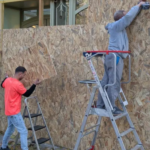
For shopkeepers, restaurant owners, and residents living in downtown Paris, Orléans, and other participating cities, the prospect of unrest presents immediate commercial risks. Following previous episodes involving smashed storefronts, looting, and arson, business owners face elevated insurance premiums and the recurring financial burden of boarding up property. Transit diversions, street blockades, and police perimeters will disrupt daily commuter traffic and reduce foot traffic for retail trade during critical weekend operating hours.
3. Political Dynamics and Presidential Election Campaigns
The government’s heavy reliance on 70,000 security personnel, elite units, and heavy crowd-control apparatus will serve as a political battleground ahead of the presidential election. If the government successfully prevents violence, public administration officials may point to the operation as a demonstration of law-and-order governance. Conversely, any significant outbreaks of destruction or instances of heavy-handed policing could further alienate working-class voters and fuel critics on both the far-left and far-right. For Marine Le Pen, the counter-protests in Orléans provide an opportunity to frame her opposition as anti-democratic agitators, potentially solidifying her support among voters prioritizing public safety and law enforcement stability.